The State of Mixed Martial Arts: A Comprehensive Overview by Dr. Hector Oscar Molina
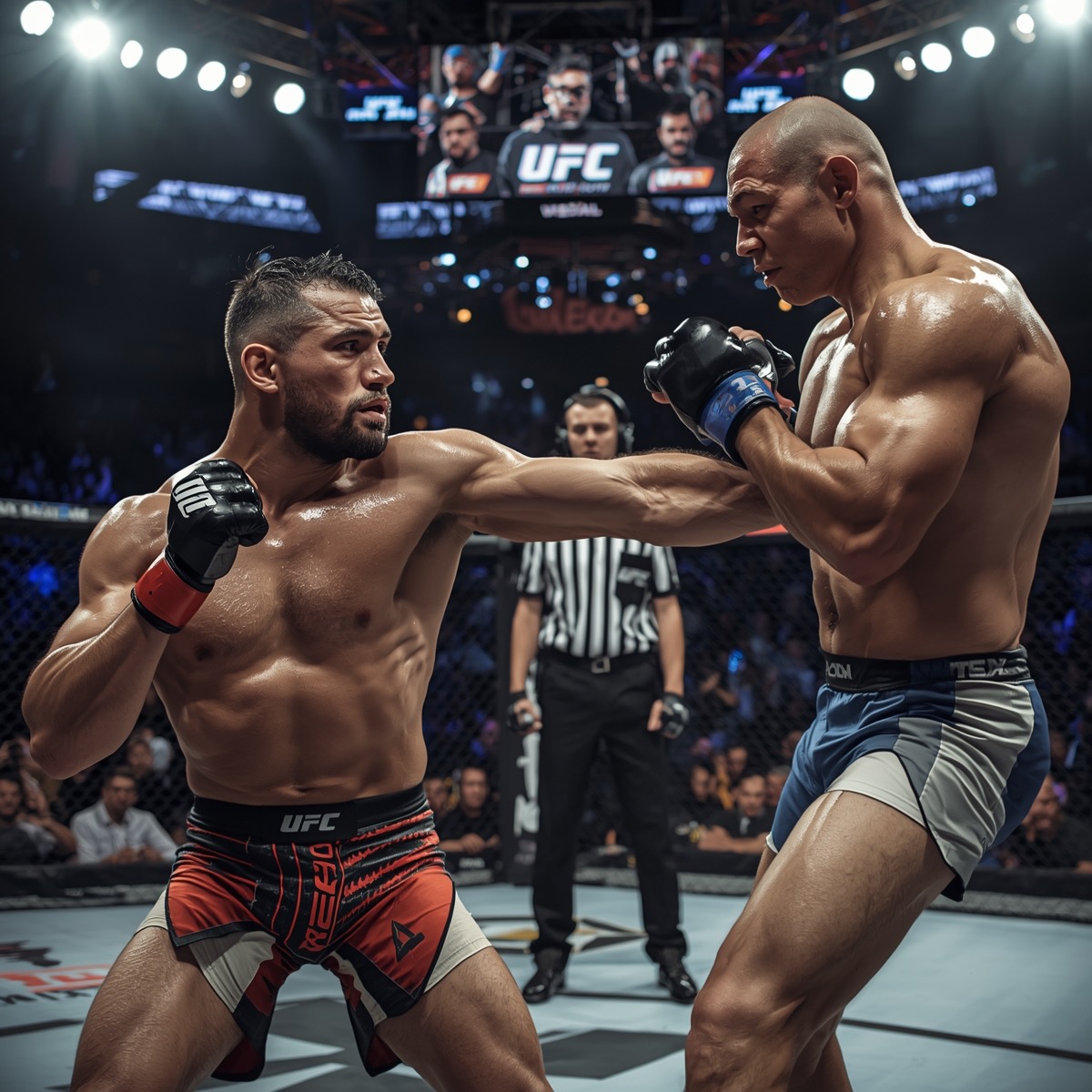
Introduction
Mixed Martial Arts (MMA) has witnessed a meteoric rise in popularity over the last couple of decades, evolving from a niche sport into a global phenomenon. As a physician with a keen interest in sports medicine and athlete health, I find it essential to explore the current state of MMA, examining its growth, challenges, athlete safety, and the future of this dynamic sport. This article will delve into various aspects of MMA, including its history, current trends, regulatory environment, health considerations for fighters, and the evolving landscape of fan engagement.
## A Brief History of MMA
MMA's roots can be traced back to ancient combat sports, with various forms of unarmed combat practiced across cultures. However, the modern iteration of MMA gained recognition in the early 1990s with the establishment of the Ultimate Fighting Championship (UFC). The UFC aimed to showcase different martial arts disciplines in a competitive format, allowing fighters from various backgrounds to compete against one another.
Initial events faced criticism and regulatory scrutiny due to the perceived brutality and lack of rules. However, over time, the sport evolved, implementing weight classes, time limits, and a comprehensive set of rules to enhance safety and legitimacy. The introduction of the Unified Rules of MMA in the early 2000s helped standardize regulations across organizations, contributing to the sport's acceptance and growth.
## Current Trends in MMA
### 1. Explosion of Popularity
MMA has become one of the most-watched sports globally, with millions of fans tuning in to events and purchasing pay-per-views. Major organizations like the UFC, Bellator, and ONE Championship have played a significant role in promoting the sport, showcasing high-level athletes and exciting matchups.
### 2. Global Expansion
While the UFC began as a predominantly American organization, it has expanded its reach worldwide, hosting events in countries such as Brazil, Japan, Canada, and Australia. This global expansion has led to a diverse pool of talent, with fighters from various backgrounds and martial arts disciplines competing on the international stage.
### 3. Emergence of Female Fighters
The inclusion of female fighters has been a game-changer for MMA, with organizations like the UFC actively promoting women's divisions. Fighters like Ronda Rousey, Amanda Nunes, and Valentina Shevchenko have not only achieved remarkable success in the octagon but have also become role models and ambassadors for the sport, inspiring a new generation of female athletes.
### 4. Increased Professionalism
As the sport has grown, so too has the level of professionalism among fighters and organizations. Many fighters now have access to sports nutritionists, strength and conditioning coaches, and mental health professionals, contributing to their overall performance and well-being. Additionally, organizations are implementing stricter health and safety protocols to ensure the welfare of athletes.
## Regulatory Environment
The regulatory landscape of MMA has evolved significantly, with various athletic commissions and governing bodies overseeing events to ensure fighter safety and fair competition. The establishment of unified rules has led to greater consistency in regulations, but challenges remain.
### 1. Variability in Regulations
While some states and countries have adopted the Unified Rules of MMA, others have their regulations, leading to discrepancies in weight classes, fight durations, and safety protocols. This variability can create confusion for fighters, promoters, and fans alike.
### 2. Health and Safety Protocols
Athlete safety is paramount in MMA, and organizations are implementing comprehensive health and safety protocols to minimize risks. Pre-fight medical examinations, weight management guidelines, and the use of advanced technology for injury prevention are becoming standard practices.
### 3. Anti-Doping Measures
The implementation of anti-doping policies has been a critical step in ensuring fair competition. Organizations like the UFC have partnered with the United States Anti-Doping Agency (USADA) to conduct regular drug testing and enforce strict penalties for violations. These measures help maintain the integrity of the sport and protect athlete health.
## Health Considerations for Fighters
As a physician, I am particularly concerned about the health and well-being of MMA fighters. The sport, while exhilarating, poses unique challenges and risks to athletes.
### 1. Injuries
Injuries are an inherent part of combat sports, and MMA is no exception. Fighters can experience a range of injuries, from bruises and sprains to more severe conditions such as fractures and concussions. Organizations are increasingly prioritizing injury prevention and management, offering medical support during training camps and events.
### 2. Weight Management
Weight cutting is a common practice in MMA, where fighters often drop significant amounts of weight before a fight to qualify for specific weight classes. This practice can have detrimental effects on an athlete's health, leading to dehydration, electrolyte imbalances, and impaired performance. Education on safe weight management practices is crucial for fighters to ensure their long-term well-being.


Comments
Post a Comment